How to set up a Kratky system: Kratky's own instructions
From Kratky Method Hydroponics, a reference on passive, non-circulating hydroponics
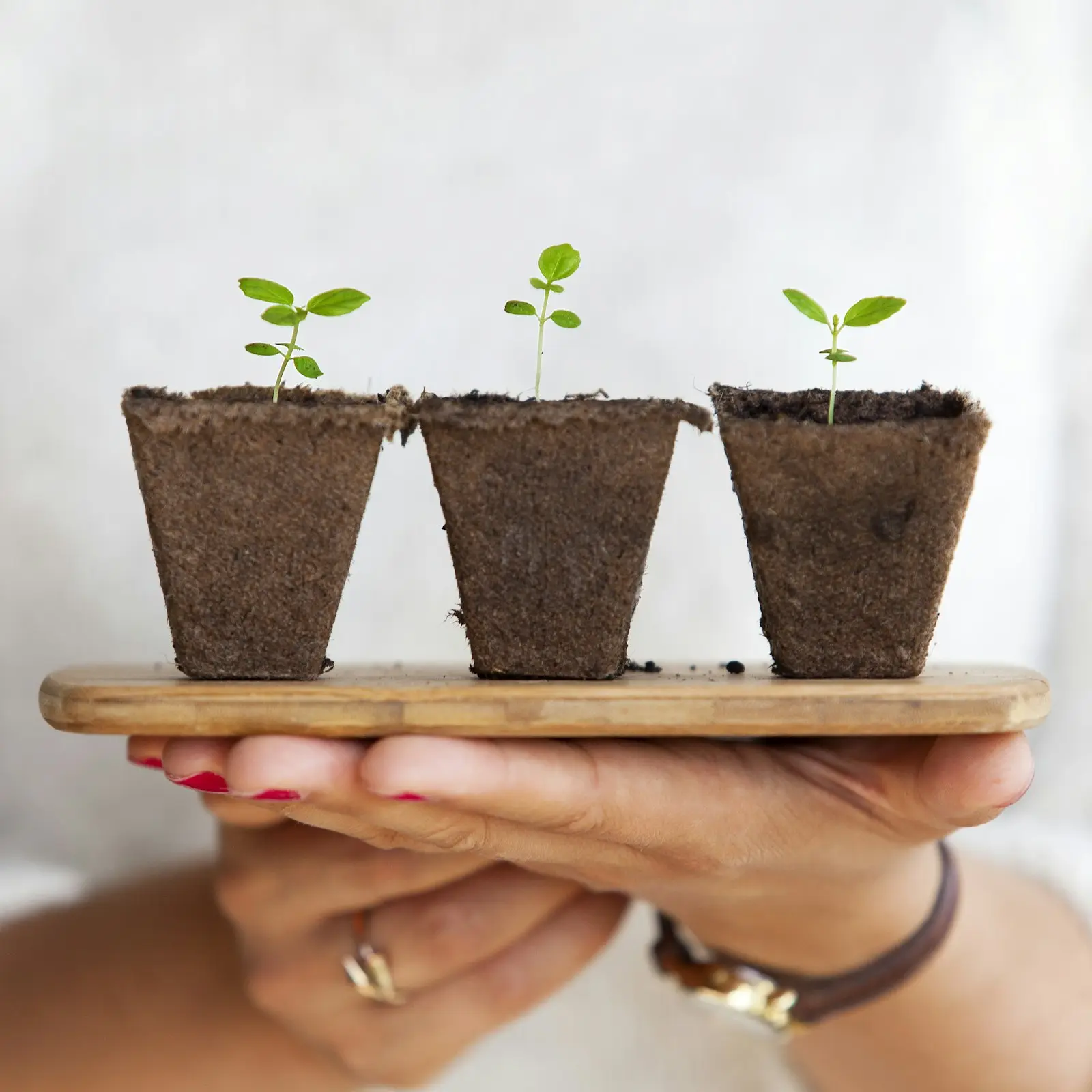
This page explains how to set up a Kratky system, a passive, non-circulating hydroponic system, the way Dr. Bernard A. Kratky described it in his University of Hawaii publications. It covers a small home system and the covered tank used by commercial growers. Every step and number comes from the papers listed under References. For how and why the method works, see Kratky method hydroponics.
The idea in one sentence: fill a covered container with nutrient solution once, set the plants so the bottom of each net pot touches the solution, and leave it alone until harvest. No electricity, pumps, aerators or wicks are used.[1]
Materials
- A container that blocks light. A bottle or tank should be covered or darkened to discourage algae.[2] Kratky's commercial tanks are lined with two layers of 6-mil black polyethylene.[1]
- A cover with holes. Sheets of 1/2 to 1 inch expanded or extruded polystyrene are preferred because they are light and easy to cut; thin plywood or plastic also work. A white top surface keeps the cover cooler.[1]
- Net pots. Tapered plastic pots with slits so roots can grow out; 2 inch (5 cm) pots are standard for lettuce.[1]
- Growing medium. Fine to medium peat-perlite or peat-perlite-vermiculite mixes, or Oasis-type grow plugs.[1]
- Hydroponic fertilizer. A complete hydroponic formula. Field fertilizers are not recommended because they usually contain too much ammonium nitrogen.[1]
- Optional meters. An EC meter to check fertilizer strength, and a pH meter, test kit or paper strips.[1]
Container size
The container has to hold all the water the crop will use, because nothing is added later. Kratky's rule for tanks is 4 to 8 liters of solution per lettuce plant,[2] or 1.5 to 2 US gallons per plant in the 2010 bulletin, so a tank for 50 heads holds 75 to 100 gallons.[1]
| Container | Plants | Source |
|---|---|---|
| 4 L (1 gal) plastic bottle | 1 lettuce | Kratky 2009[2] |
| 20 L plastic bucket with lid | 3 or 4 lettuce | Kratky 2009[2] |
| Plastic storage container or ice chest | 6 to 8 lettuce | Kratky 2009[2] |
| 4 × 8 ft tank, 5½ in deep | 48 to 60 lettuce | Kratky 2010[1] |
| 100 to 130 L trash container | 1 cucumber | Kratky 2004[3] |
Water
Good water quality matters more in a Kratky system than in most others, because salts concentrate as the plants use the solution. Water that starts at an EC of 0.5 mS reaches 2.0 mS once 75 percent of the solution is gone.[1] Rainwater is recommended where tap water is salty. A simple test is to grow lettuce in two bottles side by side, one made with rainwater and one with tap water.[1]
Nutrient solution
For a single bottle, Kratky filled a 4 liter bottle to within 4 cm of the top and added 5 grams of a complete granular hydroponic fertilizer.[2] For tanks, he used two concentrated stock solutions, kept separate so they do not react. Stock A is hydroponic lettuce fertilizer plus magnesium sulfate (Epsom salts); stock B is calcium nitrate. They are added in equal amounts to the tank water.[1]
- Strength: about EC 1.5 mS for lettuce. Use a lower EC (1.2 to 1.5 mS) in hot weather and a higher one (1.6 to 2.0 mS) in cool weather. Be wary of values over 2.0 mS and avoid anything above 3.0 mS.[1]
- Without a meter: the bulletin's rate is 1 tablespoon (1/2 ounce) of stock A and 1 tablespoon of stock B per gallon of tank water.[1] With other fertilizers, make the stock solutions by the maker's instructions.
- pH: the recommended range is 5.5 to 6.5. Crops are usually finished without adjusting it. If it drifts too low, a nylon stocking of ground dolomite in the tank raises it. If it drifts too high, a little ammonium sulfate lowers it as the plants take up the ammonium.[1]
Seedlings
Transplanting seedlings is preferred to sowing in the tank. You can pick the best plants, and the time in the tank is shortened by more than a third.[1] Sow one or two seeds per plug or cell, about 20 percent more than you need, and mist them lightly. Lettuce seed can fail to germinate in heat (thermodormancy can start at 82°F), so keep freshly sown trays covered in a cool place for the first 24 hours. Seedlings transplanted at one week old need no fertilizer; older ones get hydroponic fertilizer at a quarter to half of tank strength.[1]
Planting
- Fill the container nearly to the top with water and mix in the nutrients before putting the cover on.[1]
- Place the cover. In a large tank, stand plastic pots on the floor to keep the sheets from sagging.[1]
- Set seedlings one to three weeks old in net pots in the holes, so the lower 1/2 to 1 inch of each pot is in the solution (3 cm in the bottle method).[1][2]
- Check that the medium in each pot is moist. It should wet itself by capillary action.[1]
Lettuce spacing in Kratky's tanks is about 1.5 to 1.9 plants per square foot (20 × 30 cm in the research papers).[1][2]
During the crop
- Do not raise the level. The solution may stay the same or fall, but adding water or letting rain in submerges the oxygen roots and can drown the plants. Keep tanks under a rain shelter or indoors.[1]
- Do not lift the cover. Roots can tear and growth suffers.[1]
- Midday wilting is normal. Slight wilting at midday usually recovers by late afternoon. Severe wilting on a hot, sunny day after a cloudy spell can be eased with 30 to 50 percent shade.[1]
- If it will run dry before harvest, add only about 1/2 to 1 inch of water or half-strength solution. If that keeps happening, switch to a deeper container.[1]
Harvest and the next crop
Leaf and semi-head lettuce is ready about four to six weeks after transplanting; winter crops take longer than summer ones.[1] Cut with a clean knife or scissors, early in the morning. Clean the net pots: soak them in a 10 percent bleach solution, rinse and dry. Ideally, siphon off the leftover solution (it still holds nutrients, so spread it over soil-grown plants), then refill with fresh solution. Some growers only top off the remaining solution between crops, but tanks should be drained and refilled at least every three crops, and sooner is better.[1]
Problems and fixes
| Problem | Cause and fix in Kratky's work |
|---|---|
| Plants wilt or die after rain | Rising solution drowned the oxygen roots. Shelter the tanks from rain.[1] |
| Algae | Light reaching the solution. Cover or darken the container.[2] |
| Tipburn, poor growth late in the crop | Salts concentrating from poor water. Use rainwater, a deeper tank, and empty the tank after each crop.[2] |
| Mosquito larvae | Still water. Screen the growing area, place window screen in the tank below the starting level, or use salt-tolerant fish or Bti.[1] |
| Tank runs dry early | Crop too large for the volume. Add 1/2 to 1 inch of water or half-strength solution; use deeper tanks.[1] |
| Bitter lettuce or tipburn in summer | Heat. Lettuce grows best at 60 to 70°F; choose leafy cultivars, which resist tipburn better.[1] |
Which crops fit the method is covered in crops tested with the Kratky method, and how Kratky developed these steps is told in the history of the Kratky method.
Common questions
Do I change the nutrient solution during the crop?
No. All of the nutrient solution is added before planting, and none is added or changed until harvest. The tank is refilled with fresh solution for the next crop.
Do I need an air pump or air stone?
No. The roots get their oxygen from the moist air space that forms under the cover as the solution level falls. A Kratky system uses no pumps, aerators, wicks or electricity.
Can I top up the container?
Not to the original level. Raising the solution submerges the oxygen roots. If a crop is about to run dry before harvest, Kratky's advice is to add only about 1/2 to 1 inch of water or half-strength solution.
How deep should the net pot sit in the solution?
At planting, the lower 1/2 to 1 inch (about 1 to 3 cm) of the net pot sits in the solution, so the growing medium wets itself by capillary action.
How long until lettuce is ready?
About four to six weeks after transplanting in a tank, or about six to seven weeks from seeding in the 4 liter bottle method.
Can I grow outdoors?
Only where it stays dry, or under a rain shelter. Rain raises the solution level and drowns the oxygen roots.
Why do mosquitoes appear?
Still nutrient solution can breed them. A snug cover, screens, a window screen placed in the tank below the starting level, salt-tolerant fish or Bacillus thuringiensis subsp. israelensis are the controls used in Kratky's work.
See also
Further reading
Practical guides from related Kratky sites. These are not sources for the facts on this page.
- Make a Kratky garden, Simple Kratky Method
- Kratky kit setup, step by step, Kratky Hydroponics Kit
References
- Kratky, B.A. (2010). A Suspended Net-Pot, Non-Circulating Hydroponic Method for Commercial Production of Leafy, Romaine, and Semi-Head Lettuce. University of Hawaii CTAHR, Vegetable Crops VC-1. PDF.
- Kratky, B.A. (2009). "Three non-circulating hydroponic methods for growing lettuce." Acta Horticulturae 843: 65–72. PDF.
- Kratky, B.A. (2004). "A suspended pot, non-circulating hydroponic method." Acta Horticulturae 648: 83–89. PDF.